Skip to content

Cart

Your cart is empty

Hiliki Jar - Dark Green - Large (set of 2)

Sale price$38.00
SKU: CHAKHIDG-L

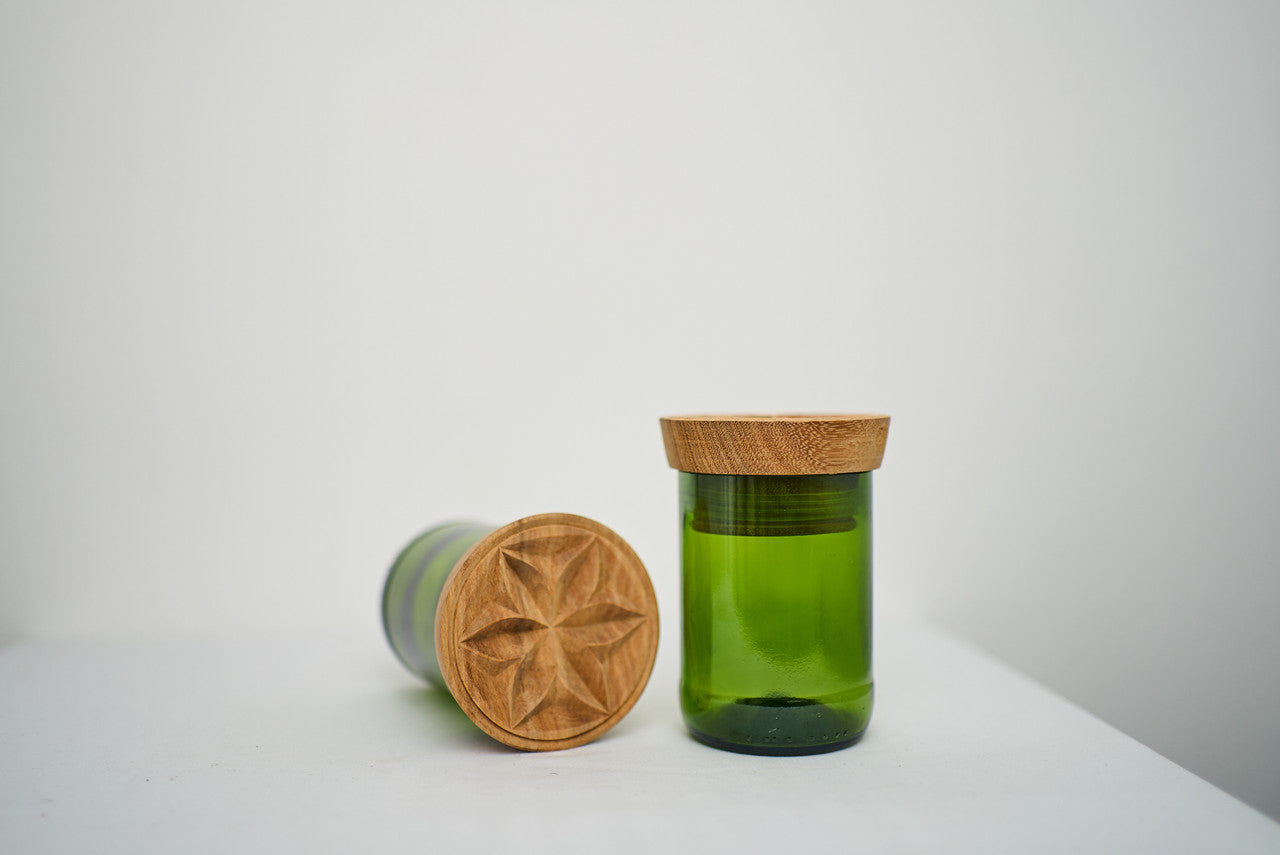
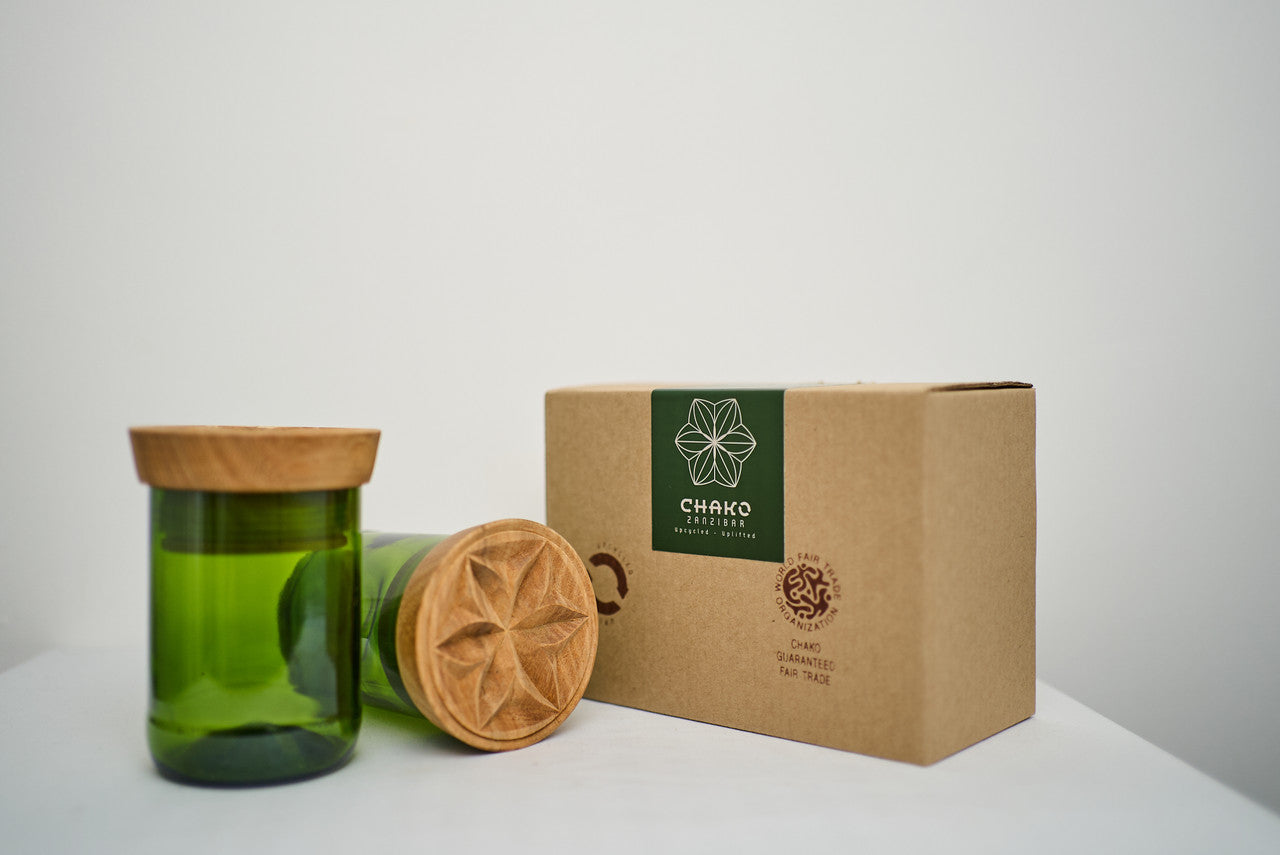
These upcycled glass jars are made from wine bottles left behind by Zanzibar’s many tourists. They’re sealed with airtight food-grade silicone and topped with a lid made from Mkongo wood. The flower that’s hand-carved into the lid represents the flower of a cardamom plant, called hiliki in Swahili. When the plant is ripe, the flower opens to reveal the cardamom seeds, which, along with many other spices, could be stored in this beautiful jar! The dark green glass is lush and verdant like the island.

Sold as a Set of 2

5” h
Made in: Zanzibar
Artist: Chako

Material

Upcycled glass

Dimension

5” h

Product Care Instructions

Dishwasher safe

Origin

Zanzibar, Tanzania

Time to make

2 hours

Ethical Kitchen Storage
Hiliki Jar - Dark Green - Large (set of 2) Sale price$38.00

meet the maker

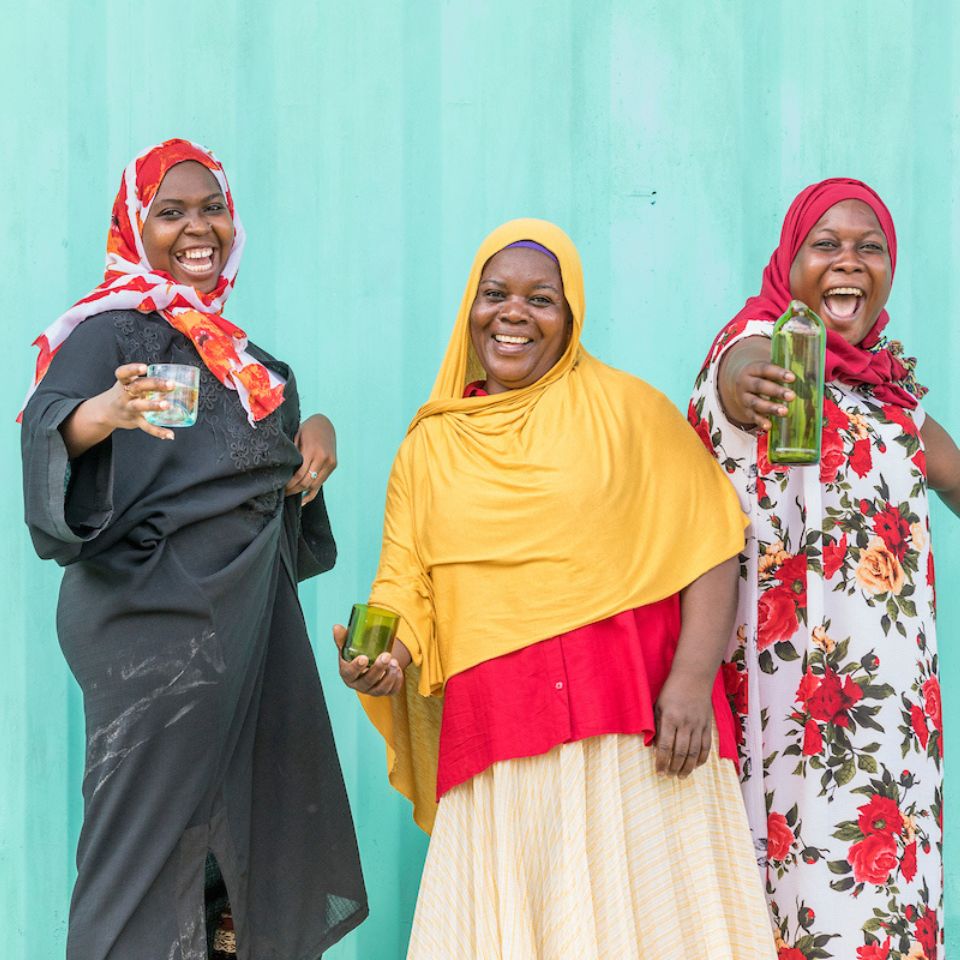
Recycled Glass Artisans of Zanzibar

📍Zanzibar, Tanzania

" Transforming the millions of bottles discarded on the island each year into lasting works of design"

Founded in 2012, CHAKO is an innovative social enterprise in Zanzibar that transforms discarded glass and plastic waste into beautifully crafted, functional objects. Established by Zanzibarian-Dutch partners, CHAKO was built on the belief that environmental stewardship and economic opportunity can go hand in hand. By reimagining materials that would otherwise end up as waste, their artisans create distinctive products that celebrate both creativity and sustainability.

At the heart of CHAKO’s mission is a commitment to empowering local communities through skills training, education, and meaningful employment. Working primarily with women, who make up the majority of the workforce, the organization provides opportunities for individuals who might otherwise have limited access to formal employment. By transforming the millions of bottles discarded on the island each year into lasting works of design, CHAKO not only helps preserve the natural beauty of Zanzibar but also fosters economic independence, artistic expression, and a brighter future for the artisans who bring each piece to life.